
















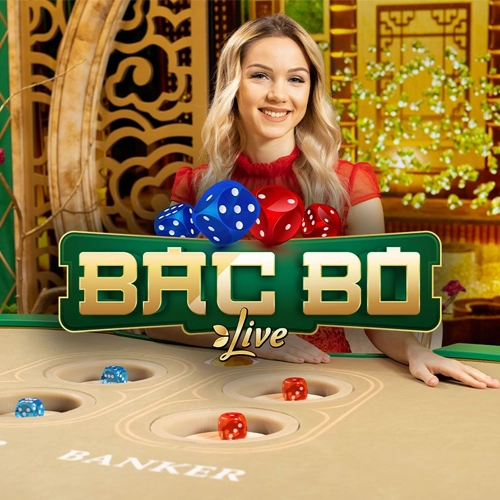





























Live dealer games on the Razor Shark platform provide an interface between digital convenience and physical casino operations. These games are broadcast from dedicated studio environments where human dealers manage tables in real time, following standardised procedures for card dealing, wheel spinning, and game-show mechanics. All sessions operate under predefined rule sets supplied by licenced software providers. Player interactions occur through a graphical interface that relays bets and actions to the studio. Participation is subject to the player’s location, provider licensing, and the platform’s regional compliance framework. The availability of specific tables and variations may be restricted by regulatory requirements in the United Kingdom. This section details the structural and operational characteristics of these games without promotional framing.
Categories of Live Games and Studio Configurations
The live dealer section on Razor Shark is organised into primary table-game categories and game-show formats. The most common categories include roulette, blackjack, baccarat, and specialised poker variants such as Casino Hold’em. Roulette tables typically use a single-zero wheel with a fixed camera angle positioned above the wheel to capture ball trajectory. Blackjack tables are arranged in a semicircle, with the dealer standing behind a standard layout. Baccarat tables feature manual shoe handling and dedicated cameras for card scanning. Game-show formats, such as live prize wheels or money-drop games, use large physical props and multiple camera positions to show each stage of the round.
Studio configurations differ by provider. Some studios use a broadcast-room model where multiple tables are set within one soundstage, each isolated by lighting and camera framing. Others use individual rooms per table to reduce ambient noise. Camera setups typically include a wide-angle overhead camera, a close-up card or wheel camera, and a player-facing broadcast feed. Gameplay principles follow standard casino rules: roulette bets are placed via a digital betting grid, blackjack uses fixed dealer standing rules, and baccarat follows preset drawing rules. No manual dealer decisions alter the outcome beyond the procedural actions defined by the game rules.
Streaming Technology, Interface Tools, and Network Requirements
Live games are transmitted using real-time streaming protocols, typically over dedicated content delivery networks. The video feed is encoded in 1080p or 720p resolution at 30 frames per second, depending on the provider and the player’s connection. Adaptive bitrate streaming adjusts the video quality during play to reduce buffering. The player interface overlays betting controls on the video window. Bets are entered using on-screen chips and confirmed via a timed countdown. The interface displays game history, current round information, and available betting positions. All input actions are synchronised with the studio feed through a low-latency server connection.
Device compatibility includes desktop browsers, tablets, and mobile handsets running current operating systems. The platform supports both portrait and landscape orientations, though some interface elements may be rearranged on smaller screens. Network requirements are specified as a minimum download speed of 2 Mbps for standard definition and 5 Mbps for high definition. Latency, or the delay between player action and dealer response, is typically under one second. This delay is managed by the platform’s internal buffer and timing mechanisms. Connection interruptions may cause the interface to pause or reload the stream. The system will display a reconnection prompt and, if the round is in progress, the bet is processed based on the last transmitted state.
Dealer Functions, Table Pacing, and Outcome Integrity
Dealers in the live studio are responsible for executing game procedures according to the provider’s manual. For blackjack, the dealer shuffles cards using an automatic shuffler, distributes cards face-up according to fixed standing rules (typically standing on soft 17), and resolves hands in strict clockwise order. In roulette, the dealer spins the wheel and launches the ball, then marks the winning number on a screen overlay. Baccarat dealers handle the shoe, deal cards to the player and banker positions, and call out results. Game-show hosts follow a scripted sequence for prop interactions and prize reveal stages.
Table pacing is governed by a timer system. Each round has a betting window, typically lasting 15 to 20 seconds, followed by a resolution phase. Dealers do not influence the outcome of any game; card hands are generated from physical decks, and roulette outcomes are purely mechanical. All table games are subject to internal compliance monitoring, with cameras recording every session for audit. Provider guidelines require that card handling is performed with the deck visible at all times. No dealer decision changes the outcome probability. Result verification is available through the game history log, which stores the last several hundred rounds for each table.
Table Limits, Provider Restrictions, and Regional Availability
Each live table on Razor Shark is configured with a defined range of minimum and maximum stakes. Minimum bets typically start at £1 for standard roulette and blackjack tables, with high-limit tables requiring a minimum of £10 or £25. Maximum bets vary significantly: standard tables may cap bets at £500 per round, while VIP tables allow up to £5,000 or more. Baccarat tables often have separate limits for the player, banker, and tie bets. Game-show formats may have lower maximums due to the multiplier mechanics involved. These limits are set by the provider and reviewed periodically.
Availability is subject to provider licensing. Some studios are only certified for specific jurisdictions. For players in the United Kingdom, tables must be operated by providers holding a valid Gambling Commission licence. This means that certain international tables may appear in the lobby but cannot be accessed from a UK-registered account. Peak-time table load is managed by opening duplicate tables for high-demand games such as live roulette. The lobby interface shows current player counts and table statuses. If a table reaches capacity, the platform may place players in a queue or suggest an alternative table with the same rules. Regional constraints are updated by the operator when licensing terms change.
| Game Category | Typical Minimum Bet | Typical Maximum Bet |
|---|---|---|
| Roulette | £1 | £500 |
| Blackjack | £1 | £500 |
| Baccarat | £2 | £1,000 |
| Game-Show | £0.50 | £250 |
Players should note that the Razor Shark slot provider arrangement and the Razor Shark free game version are separate from the live dealer environment. The live games are not related to the slot mechanics of the Razor Shark free game, and no slot symbols or bonus features appear in the studio. For those interested in the Razor Shark LeoVegas cross-platform integration, the live dealer lobby remains accessible from the same account. However, the live dealer section is a distinct product line. The Razor Shark kostenlos spielen experience, which refers to free-to-play slot demos, is not available for live dealer games due to the operational cost of studio streaming. All live tables require a funded account to participate. Technical support for availability issues is handled through the platform helpdesk, which can provide current table schedules and provider updates.